
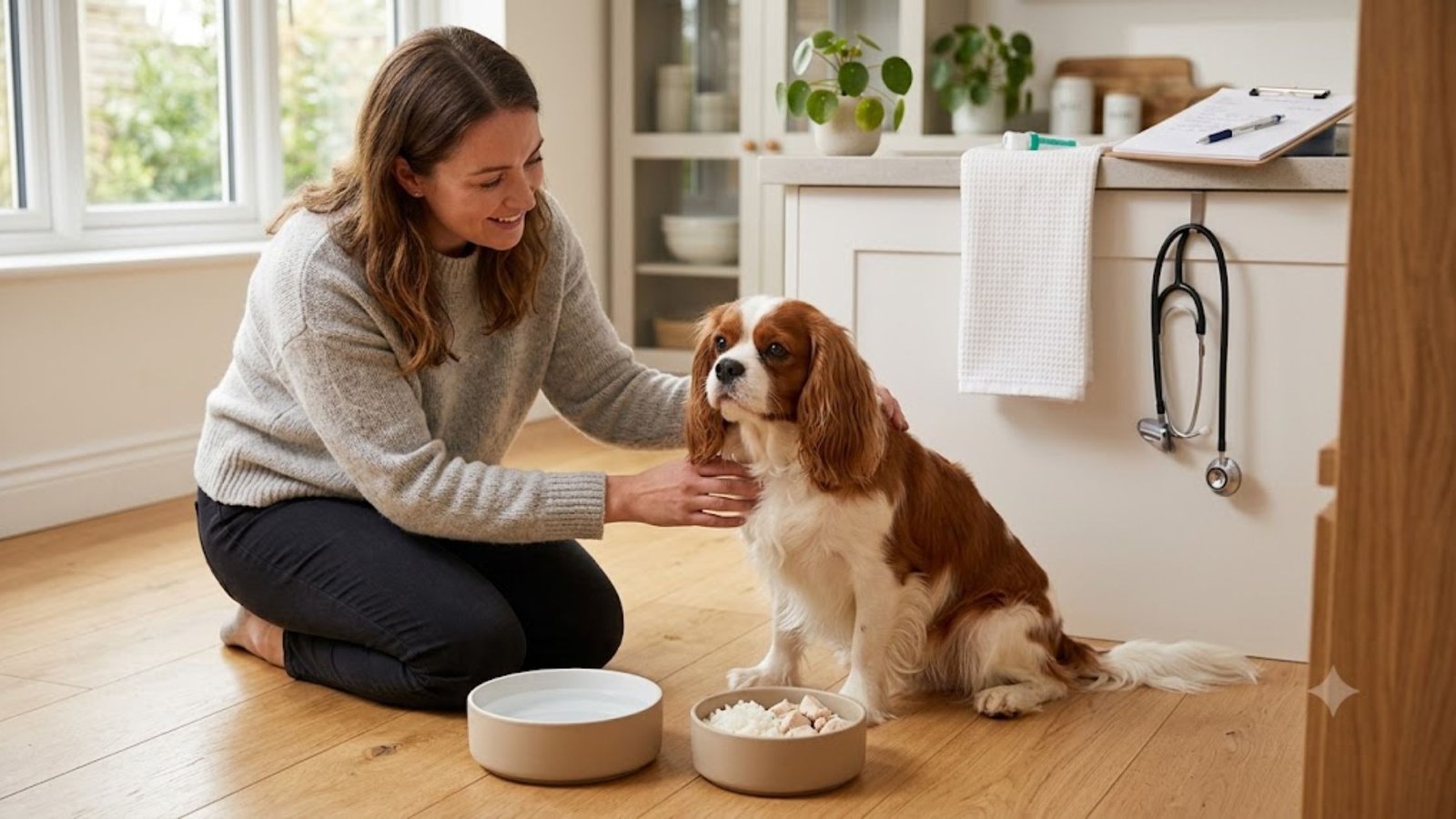
Seeing your dog suffer from an upset stomach is no fun. They can’t tell you what’s wrong, but you know something is off when they’re restless, lethargic, or making a mess on the floor. That’s why it’s so helpful to have a few home remedies for a dog ready in your back pocket. These vet-approved strategies can help you provide quick relief and get your furry friend back to their happy, bouncy self.
Of course, as a responsible pet owner, you should always trust your instincts. If your dog seems severely ill, a trip to the vet is the best course of action. For mild cases of tummy trouble, the gentle, natural methods below are a great place to start.
Recognizing the Signs: Does Your Dog Have a Tummy Ache?
Dogs can’t complain about indigestion, so it’s essential to recognize the physical and behavioral clues. Symptoms of an upset stomach can range from mild to severe.
- Vomiting or Retching: This is often the most obvious sign.
- Diarrhea or Loose Stools: This can lead to dehydration, so it’s important to monitor closely.
- Loss of Appetite: A dog who turns their nose up at dinner is usually trying to tell you something.
- Lethargy: If your usually energetic pup is sleeping more or hiding away, it’s a sign they don’t feel well.
- Excessive Drooling: This can be a sign of nausea.
- Gurgling Noises: Loud gurgling or rumbling sounds from the stomach are a red flag.
- Eating Grass: Many dogs will instinctively eat grass when they have an upset stomach.
If your dog is experiencing mild symptoms but is still alert and active, you can likely start with some at-home care. However, if they are showing signs of severe distress, contact your vet right away.
A Step-by-Step Plan for Relief
Here are the best practices for calming your dog’s digestive system and helping them feel better quickly.
1. Give Their Digestive System a Rest (Fasting)
One of the most effective things you can do is give your dog’s gut a break. This allows the stomach and intestines to settle and reduces inflammation. For most adult dogs, withholding food for 12 to 24 hours is recommended. This gives their digestive tract a chance to clear out whatever is irritating it.
Important: While fasting, ensure your dog always has access to fresh, clean water to prevent dehydration. However, if your dog is a puppy, a senior, or has an underlying medical condition, you should always consult with your vet before fasting them.
2. Keep Them Hydrated
When a dog has an upset stomach, especially if accompanied by vomiting or diarrhea, they lose fluids quickly. Hydration is crucial. Since drinking too much water at once can trigger more vomiting, it’s best to offer small amounts frequently. You can try offering ice cubes to lick, or add a splash of low-sodium bone broth to their water to encourage them to drink.
3. The Power of Pumpkin
Plain, canned pumpkin (not the pumpkin pie filling) is one of the most popular and effective home remedies for a dog with digestive issues. It’s packed with soluble fiber, which helps regulate digestion. It’s a fantastic remedy because it can help both diarrhea and constipation.
- Small dogs: 1 teaspoon per meal
- Medium dogs: 1–2 teaspoons per meal
- Large dogs: 1–2 tablespoons per meal
4. The Bland Diet: Chicken and Rice
When your dog is ready to eat again, it’s time for a bland diet. The classic combination of boiled, skinless, boneless chicken breast and plain white rice is very gentle and easy to digest. This meal is low in fat and free of additives that could further irritate their stomach.
Start by serving small portions a few times a day. If they keep it down, you can gradually increase the amount over a couple of days before slowly transitioning them back to their regular dog food.
5. Probiotics for Gut Health
Just like humans, dogs have a complex microbiome in their gut. When this balance is disrupted, it can cause diarrhea. Introducing probiotics can help support healthy gut flora and get them back on track. You can find dog-specific probiotic supplements or offer a small amount of plain, unsweetened yogurt, as long as it doesn’t contain artificial sweeteners like xylitol, which is toxic to dogs.
6. Bone Broth
A high-quality, low-sodium bone broth can be incredibly soothing for a dog with an upset stomach. It’s a great source of minerals and can help replenish lost fluids and nutrients. You can serve it on its own as a treat or pour a bit over their bland diet to encourage them to eat.
7. Ginger
Ginger is a natural anti-inflammatory that can help soothe nausea in both people and pets. You can give it as a powder (a small pinch in their food) or make a mild ginger tea and pour a small amount over their food. As with any herb, consult your vet before introducing it to your dog’s diet to ensure it’s appropriate.
8. Herbal Chamomile
Chamomile has gentle, calming properties that can soothe an upset stomach. The most common way to give it to your dog is through chamomile tea. Let a tea bag steep in hot water, cool it down, and offer a small amount to your dog. You can also use the cooled tea to wet their food.
9. Slippery Elm
Slippery elm is an herb that forms a soothing coating on the digestive tract, which can help ease irritation and inflammation. It’s often used as a gentle remedy for dogs with gastritis. It is usually sold as a powder that can be mixed with water and added to food.
10. Reintroduce a Normal Diet Slowly
After your dog’s symptoms have subsided, don’t immediately switch back to their normal food. A sudden change can trigger another upset stomach. Over the course of 3-4 days, gradually mix a little of their normal food into the bland diet, increasing the ratio each day until they are back to 100% regular food.
What to Avoid: Human Medications
The internet might offer quick fixes, but never give your dog human over-the-counter medications like Pepto-Bismol or Tums without the direct instruction of your vet. These can have harmful side effects and may not be safe for your dog.
When to See a Vet
While home remedies are great, they are not a replacement for professional veterinary care. If your dog’s symptoms are severe, don’t improve within 24–48 hours, or if you notice any of the following signs, it’s time to call the vet.
Seek immediate veterinary attention if your dog has:
- Blood in their vomit or stool
- Continuous, forceful vomiting or diarrhea
- Severe lethargy or weakness
- A distended or painful abdomen
- Inability to keep water down
- Signs of severe dehydration (dry gums, sunken eyes)
FAQ: Common Questions About Dog Upset Stomachs
How long does an upset stomach last in dogs?
Most mild cases of an upset stomach will resolve within 24 to 48 hours with proper home care. If your dog’s symptoms persist beyond this time, it’s best to consult your vet.
What can I give my dog for an upset stomach?
You can offer a bland diet of boiled chicken and white rice, plain canned pumpkin, or probiotics. You can also try giving them a brief period of fasting (with access to water) to rest their stomach.
Can I give my dog Pepto Bismol?
No. You should never give your dog Pepto Bismol or similar human medications without your vet’s explicit instruction. They can be toxic and cause harmful side effects.
Why is my dog eating grass?
Eating grass is often a natural instinct that dogs use to self-induce vomiting when they feel nauseous. While it is common, it’s also a sign that something may be upsetting their stomach.
What causes an upset stomach in dogs?
Common causes include eating something they shouldn’t (like table scraps or garbage), a sudden change in diet, food allergies, stress, or bacterial and viral infections.
When should I take my dog to the vet for an upset stomach?
You should take your dog to the vet if they have persistent vomiting or diarrhea for more than 24 hours, if you see blood in their stool or vomit, if they are extremely lethargic, or if they show signs of pain.