
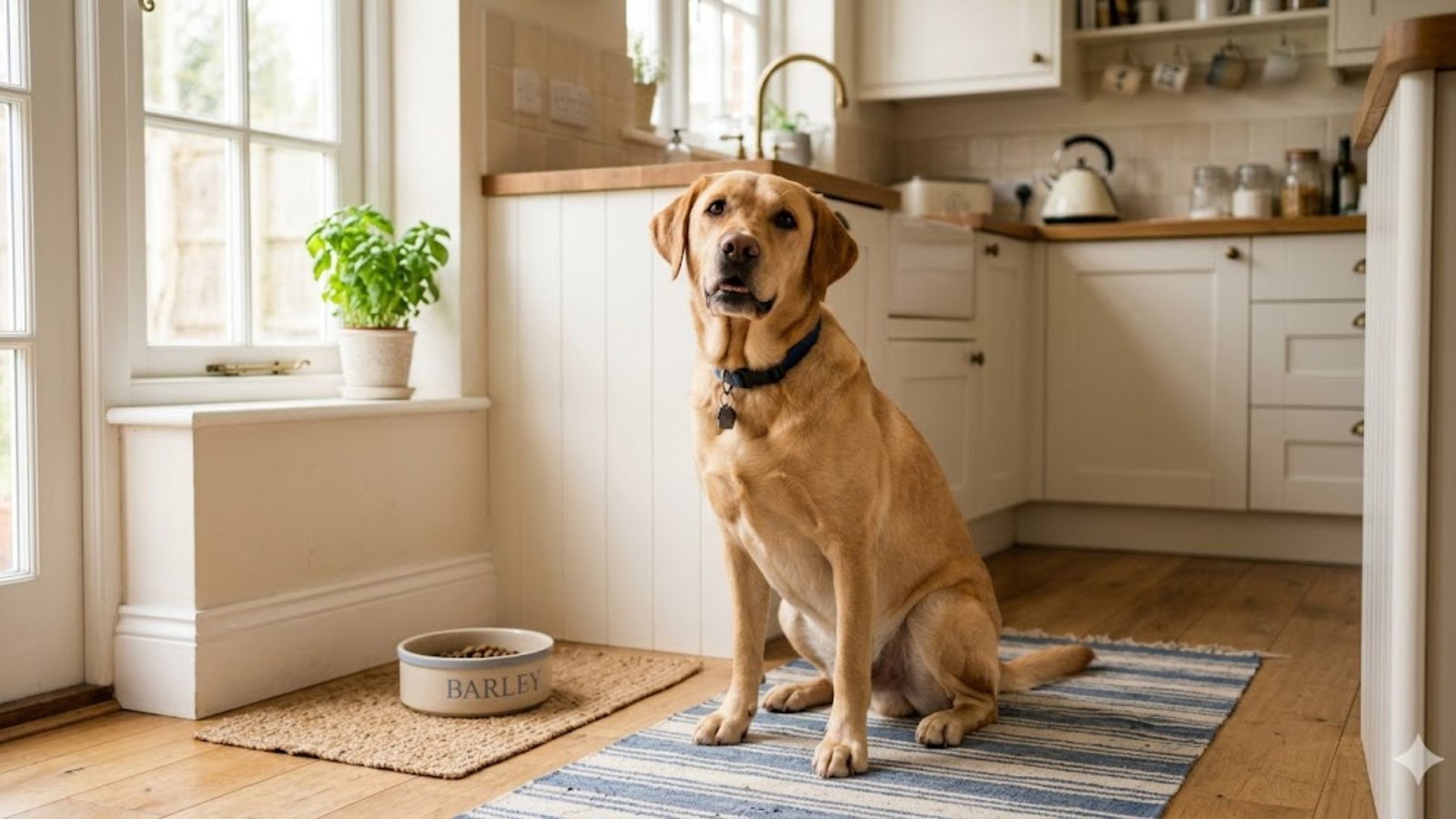
Let’s be honest for a second—feeding a large dog is expensive. When you have a gentle giant like a Labrador, German Shepherd, or Great Dane standing by the bowl, those bags of kibble seem to disappear in record time. If you’re here looking for cheap dog food for large dogs, you’re not just being frugal—you’re being practical.
But here’s the tricky part: “cheap” and “good” aren’t always the same thing. I’ve seen too many owners grab the cheapest bag on the shelf, only to end up with a dog that has a dull coat, digestive issues, or worse—health problems that lead to even bigger vet bills. The goal here isn’t just to save a few bucks today—it’s to find genuinely affordable food that still supports your big buddy’s health for the long haul.
What “Cheap” Really Means for a Large Breed
Here’s something that surprises a lot of people: the cheapest food isn’t always the one with the lowest price tag. I know that sounds counterintuitive, but hear me out.
When you buy a really low-quality bag, you usually end up feeding more of it. The food is packed with fillers that don’t actually provide much nutrition, so your dog stays hungry and you go through bags faster. A moderately priced, nutrient-dense food often works out cheaper in the long run because you’re feeding fewer cups per day.
There’s also the health angle that I can’t ignore. Large breeds are already prone to joint issues, bloat, and certain genetic conditions. Cutting corners on nutrition today could mean expensive vet visits tomorrow. So when I’m looking for a budget-friendly option, I’m looking for the sweet spot—the most nutrition I can get for the least money, not just the lowest number on the shelf.
Best Budget-Friendly Options That Actually Deliver
Based on my research and what’s working for other large dog owners, here are some solid contenders that balance cost and quality.
Victor Classic Elite Canine
This is one that keeps coming up in conversations with large breed owners. It’s versatile enough for all breeds and life stages, and the 40-pound bag usually runs around $65, which is pretty reasonable for the quality you’re getting . Vets have been recommending it, and owners of giant breeds seem to trust it. The kibble size works well for bigger mouths—easy to chew without the coughing issue you sometimes get with smaller pieces .
One thing to keep in mind: it does contain grains like brown rice, which is fine for most dogs but might not work if you’ve got a sensitive pup .
Iams ProActive Health Large Breed
When you’re looking for a reliable budget buy, Iams often makes the list. Their ProActive Health formula for large breeds gives you real chicken as the first ingredient and comes in at a price point that won’t make you cringe . It’s been around for decades, and while it uses chicken by-products, those aren’t necessarily bad for your dog—they just sound less glamorous than whole meat .
Complete Maintenance Large-Giant Adult Dog Food
This one’s specifically formulated for large and giant breeds—we’re talking dogs from 25 kg all the way up to 80 kg (that’s about 55-175 pounds for us) . It’s designed to support muscle maintenance, energy, and digestive health without breaking the bank. If you’ve got a really big boy at home, this kind of breed-specific formula is worth considering .
Purina One SmartBlend
You can’t talk about affordable dog food without mentioning Purina. Their One SmartBlend line gives you decent quality for a budget-friendly price, especially if you’re feeding multiple large dogs . It’s made by the same company behind some of the pricier options, so there’s some brand trust there.
Smart Shopping: Saving Money Without Sacrificing Quality
Here’s where the real savings kick in. Once you’ve picked a food that works, how you buy it can make a huge difference.
Buy in Bulk—But Store It Right
This is the biggest money-saver. Buying a 40-pound bag instead of a smaller one almost always works out cheaper per pound . The math is pretty straightforward: if a smaller bag costs more per serving, you’re basically paying extra for the convenience of a smaller box.
The key here is storage. Once you open that big bag, dry food stays fresh for about 4-6 weeks before it starts to lose quality . Invest in a good airtight container—one of those food-grade bins with a seal—and keep it in a cool, dry place. The pantry works, the garage probably doesn’t (too hot and humid).
Set Up a Subscription
This one’s almost too easy. Retailers like Chewy and Amazon give you discounts (usually around 5-10%) when you set up recurring deliveries . You save a few bucks, and you never have to worry about running out of food at 8 PM on a Sunday. Win-win.
Watch for Sales and Loyalty Programs
Pet food brands run promotions all the time. Those coupons might seem small, but they add up over the course of a year . Most major retailers also have loyalty programs where you earn points on purchases—use those points for discounts on your next bag.
Ditch the Brand Loyalty
I know—you love Brand X. But sometimes loyalty costs you money. If your usual brand hikes up prices, try rotating to another quality brand . Just introduce it slowly over a week to avoid upsetting your dog’s stomach.
Be Realistic About Treats
Here’s something a lot of us are guilty of: treating our dogs like they’re in a snack competition. Treats should only make up about 10% of your dog’s daily calories . Cut back on expensive store-bought treats and try healthy alternatives like baby carrots or apple slices (no seeds—they’re toxic). Your dog will love them just as much, and you’ll save a surprising amount of money .
What to Look For: The Nutritional Checklist
Before you buy anything, flip that bag over and read the label. Here’s what you’re looking for:
First Ingredients Matter: You want a named protein source at the top—chicken, beef, lamb, salmon. Not “meat meal” or “poultry by-product” as the very first thing. The AAFCO statement should be right there on the bag, confirming the food meets nutritional standards .
Balanced Calcium and Phosphorus: This is critical for large breeds. Too much or too little calcium can mess with bone development, especially in puppies. A food formulated specifically for large breeds will usually have this dialed in correctly.
Joint Support: Glucosamine and chondroitin are a huge plus if they’re in the formula. Large breeds are already prone to hip and joint issues—a little support in their daily kibble goes a long way.
Protein and Fat: Look for around 27-30% protein for large breeds, with fat in the 14-15% range . Too much fat and you’re dealing with weight issues; too little and your dog won’t have the energy they need.
A Word About Homemade Diets
I see a lot of people thinking about making their own dog food to save money. It’s definitely possible, but I need to say this loud and clear: please consult your vet or a pet nutritionist first. Dogs have very specific nutritional needs. Getting the balance wrong—especially for a growing large breed—can cause serious health problems. It’s also usually more expensive and time-consuming than most people expect .
The Bottom Line
Cheap dog food for large dogs is absolutely out there, but you’ve got to be strategic about it. The best approach is finding a mid-tier food that meets your dog’s nutritional needs, then using smart shopping strategies to bring the cost down.
Don’t be afraid to try a store brand if it meets AAFCO standards and has decent ingredients. Watch for sales. Buy in bulk. And remember—keeping your dog at a healthy weight with proper nutrition is cheaper in the long run than dealing with obesity-related health issues or the extra food waste that comes with low-quality fillers.
At the end of the day, feeding a big dog on a budget is about being informed. You don’t have to break the bank to keep your gentle giant healthy, happy, and ready for that next belly rub.