
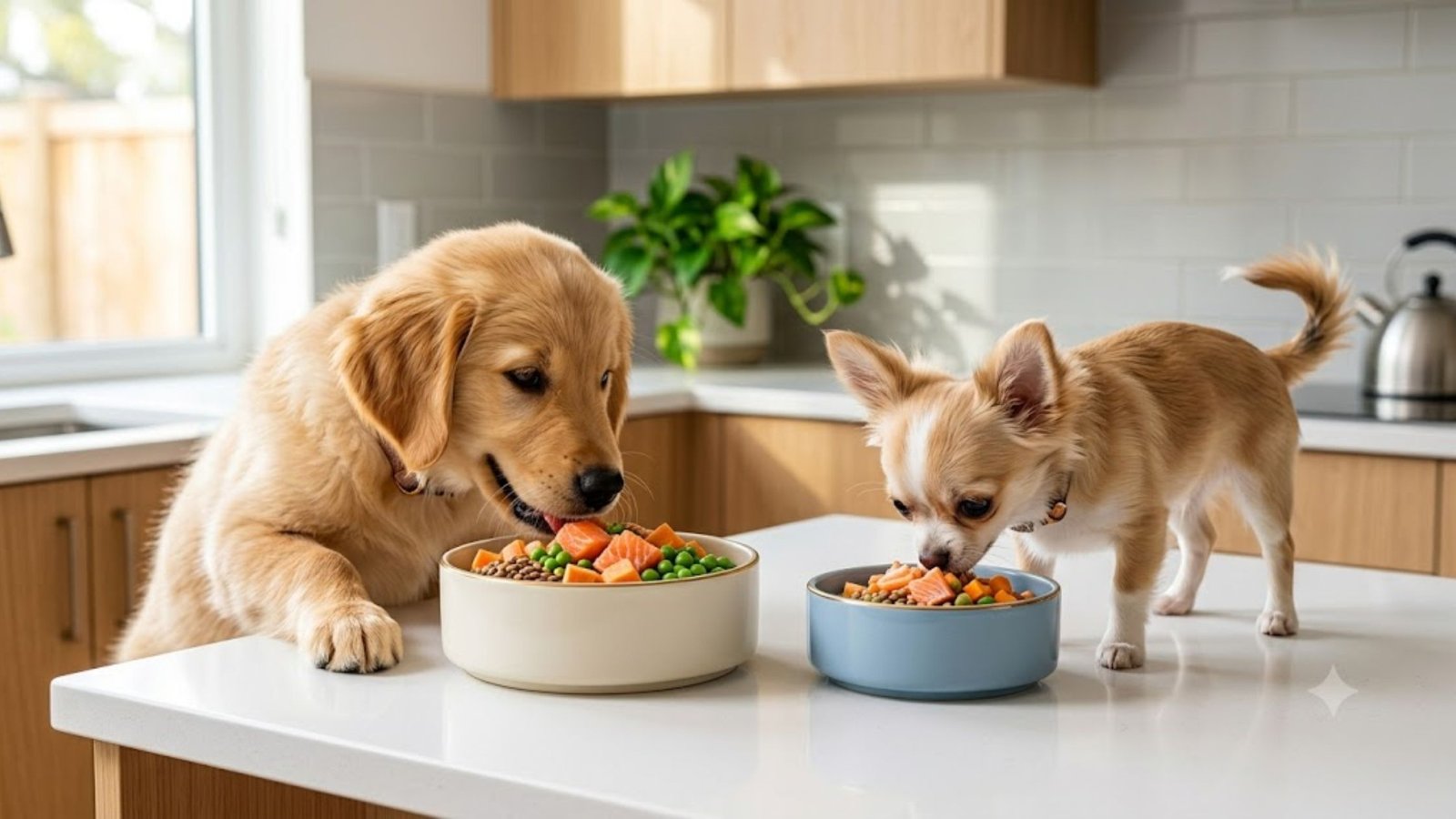
If you’re searching for grain free dog food for allergies, you’re not alone. It’s one of the most common questions I hear from pet owners across the country. Your dog is scratching, maybe having digestive issues, and someone told you to try grain-free. It makes sense on the surface—if grains are causing the problem, just cut them out, right?
Here’s where it gets complicated. The grain-free trend has taken off in a big way, but the science behind it is a lot messier than the marketing makes it seem. Before you switch your dog’s food, there are some things you really need to know.
The Big Question: Are Grains Actually the Problem?
Here’s what the research shows: true grain allergies in dogs are actually pretty rare . When dogs have food allergies, they’re usually reacting to animal proteins—things like beef, chicken, or dairy . Not grains. That’s a hard one for a lot of owners to wrap their heads around because the marketing around grain-free food is so strong.
The grain-free movement got a huge boost from the gluten-free trend in human diets and a well-known pet food recall back in 2007. But just because something works for people doesn’t mean it translates to our dogs .
That said, there are dogs with genuine grain sensitivities. Some dogs have trouble digesting gluten (similar to celiac disease in humans) or have specific allergies to certain grains . For those dogs, a grain-free diet isn’t a trend—it’s a medical necessity.
What You’re Actually Buying
Grain-free dog food replaces grains like corn, wheat, rice, and barley with other carbohydrate sources—usually potatoes, sweet potatoes, peas, lentils, chickpeas, or tapioca . The idea is that these are easier to digest or less likely to trigger allergic reactions.
Grain-free formulas often end up with higher protein and fat levels compared to traditional foods . That can be good for some dogs, but it also means they’re often higher in calories. If your dog isn’t as active as the food expects, weight gain becomes a real concern.
The Heart Health Concern You Can’t Ignore
This is the part that scares a lot of owners—and honestly, it should get your attention. The FDA and veterinary researchers have been investigating a potential link between grain-free diets and dilated cardiomyopathy (DCM). That’s a serious heart condition that can be life-threatening.
Here’s what the research shows: grain-free diets—especially those high in peas, lentils, and other legumes—seem to be connected to an increased risk of DCM in certain breeds . The exact cause isn’t fully understood yet, and research is ongoing, but the connection is real enough that major veterinary organizations are taking it seriously .
This is why veterinarians aren’t just neutral on grain-free diets. Many actively recommend against them unless there’s a specific medical reason . As one vet put it, grain-free is “a fad, and quite a dangerous one”.
When a Grain-Free Diet Makes Sense
Despite all the warnings, there are legitimate reasons to consider grain-free food. If your dog has been diagnosed with a grain or gluten intolerance by a veterinarian, then removing grains from their diet is the right call. Some dogs with specific digestive issues may also find grain-free food easier to tolerate .
The key word here is diagnosed. Not “I think,” not “someone on Facebook said.” Confirmed. By a vet.
What to Look For If You’re Going Grain-Free
If you’ve talked to your vet and decided grain-free is the right path for your dog, here’s what to look for:
Single Protein Sources: Dogs with food allergies are usually reacting to proteins, not grains. A limited ingredient diet with one novel protein source (like salmon, venison, or kangaroo) can help isolate what’s actually causing the issue.
Quality Ingredients: Look for real, named meat as the first ingredient. Avoid vague terms like “meat meal.” Products like Dr. Pol’s Healthy Balance and Nulo’s limited ingredient lines use single protein sources and avoid common fillers.
Added Probiotics: Digestive health matters, especially for dogs with sensitivities. Some grain-free formulas include probiotics to support gut health.
Made in the USA: Products made in the USA tend to have stricter quality controls. This is worth paying attention to.
Brands Worth Considering
Based on what’s available and has solid reputations:
Dr. Pol Healthy Balance Grain Free Salmon Recipe: Real salmon as the single protein source, no by-products, and added probiotics. It’s formulated for all life stages, including large breeds.
Zignature Limited Ingredient: Uses single animal proteins with unique options like lamb and venison. No corn, wheat, soy, or chicken-based ingredients.
Nulo Freestyle Limited+: Single protein formulas with 30% crude protein. No peas, potatoes, or tapioca, which is worth noting given the DCM concerns around legumes.
Evolve Grain Free Salmon & Sweet Potato: Real salmon as the first ingredient at a more budget-friendly price point.
The Bottom Line
Grain-free dog food isn’t inherently bad, and it isn’t inherently good. It’s a tool for specific situations. For the vast majority of dogs, a diet that includes healthy grains like brown rice and oats is perfectly fine—and may even be safer given the heart health concerns.
If your dog is itching, having digestive problems, or showing other signs of allergies, don’t jump straight to grain-free. Talk to your vet first. Get proper testing done. Find out what’s actually causing the problem—because chances are, it’s not the grains.
And if you do go grain-free, stay informed. The research on DCM is still developing, and what we know today might change tomorrow. Keep an eye on the FDA updates, and keep your vet in the loop.
Your dog deserves food that works for them—not food that follows a trend.